How emotional connection drives modern fashion purchases
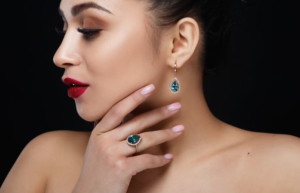
In today’s world, fashion is no longer just about looking good—it’s about how clothes and accessories make us feel. Consumers are increasingly driven by emotional connections when making fashion purchases, rather than purely focusing on style or price. This shift has led to the rise of brands that not only offer quality products but also create a deep emotional bond with their customers. One example of this trend is brands like Lily Arkwright, which have effectively tapped into the emotional aspect of shopping by offering unique and personalized luxury items that evoke a sense of belonging, confidence, and even self-expression.
Fashion has always had an emotional component, but its significance has intensified in the modern consumer landscape. As society becomes more interconnected through social media and digital platforms, people are constantly exposed to curated lifestyles, often tied to the brands they follow. The emotional connection formed with a brand can be so powerful that it shapes purchasing decisions, turning customers into loyal advocates. It’s no longer about simply choosing a brand for its functionality or style; instead, it’s about finding a brand that resonates with one’s identity and values. Consumers want to feel like they belong to a particular community or share in a brand’s ethos, and this has led to a shift in how fashion companies approach their marketing and product offerings.
A prime example of how emotional connections influence fashion purchases can be seen in the growing trend of “buying into a story.” Consumers are increasingly looking for brands that not only offer stylish products but also tell a compelling story behind the creation of each item. Whether it’s the craftsmanship behind a luxurious dress or the sustainable practices of a fashion label, stories create a narrative that makes the consumer feel part of something greater. Brands that successfully communicate these stories develop a loyal customer base that connects with their mission on a deeper level.
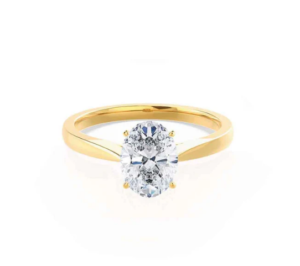
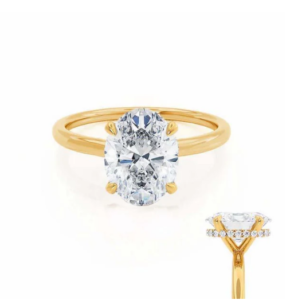
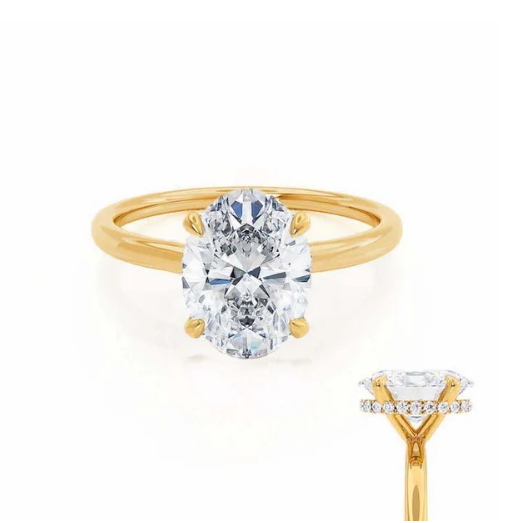
Furthermore, the idea of personalization has become a central aspect of emotional connections in fashion. Consumers are more likely to invest in items that reflect their personal style, values, and even life experiences. This trend can be seen in the rise of custom jewelry, bespoke clothing, and exclusive collaborations. By offering consumers a way to express their individuality, brands like Lily Arkwright tap into the deep desire for uniqueness and personal expression. The ability to design a product that reflects one’s identity strengthens the emotional bond between the customer and the brand, making them more likely to return for future purchases.
In addition to personalization, the role of social media in fostering emotional connections with fashion brands cannot be overstated. Social media platforms like Instagram, TikTok, and Pinterest have transformed the way consumers interact with fashion. Not only do these platforms allow users to showcase their personal style, but they also provide a space for brands to engage with their audiences on a more personal level. Fashion brands are now able to create real-time connections with customers through influencer collaborations, live streams, and user-generated content. This kind of engagement allows brands to stay top of mind, creating an emotional connection that extends beyond the transaction.
The rise of sustainability in the fashion industry is another factor that ties into the emotional connection behind modern purchases. Many consumers today are more conscious of the environmental and ethical impact of their purchases. Brands that focus on sustainable materials, ethical labor practices, and environmental responsibility appeal to consumers who are looking to make a positive impact through their buying choices. The emotional satisfaction of supporting a brand that aligns with one’s values plays a significant role in driving purchases, particularly for younger generations who prioritize environmental and social responsibility.
Ultimately, emotional connections in fashion purchases are about more than just a transaction; they are about creating lasting relationships between brands and consumers. As fashion becomes more individualized, connected, and value-driven, the emotional bond will only grow stronger. Consumers want more than just clothes; they want experiences, stories, and products that reflect their identity and values. For fashion brands, understanding this shift in consumer behavior is key to staying relevant in an increasingly competitive market. By focusing on emotional connections, brands can build trust, loyalty, and long-term success in a market that thrives on personal connection and authenticity.