
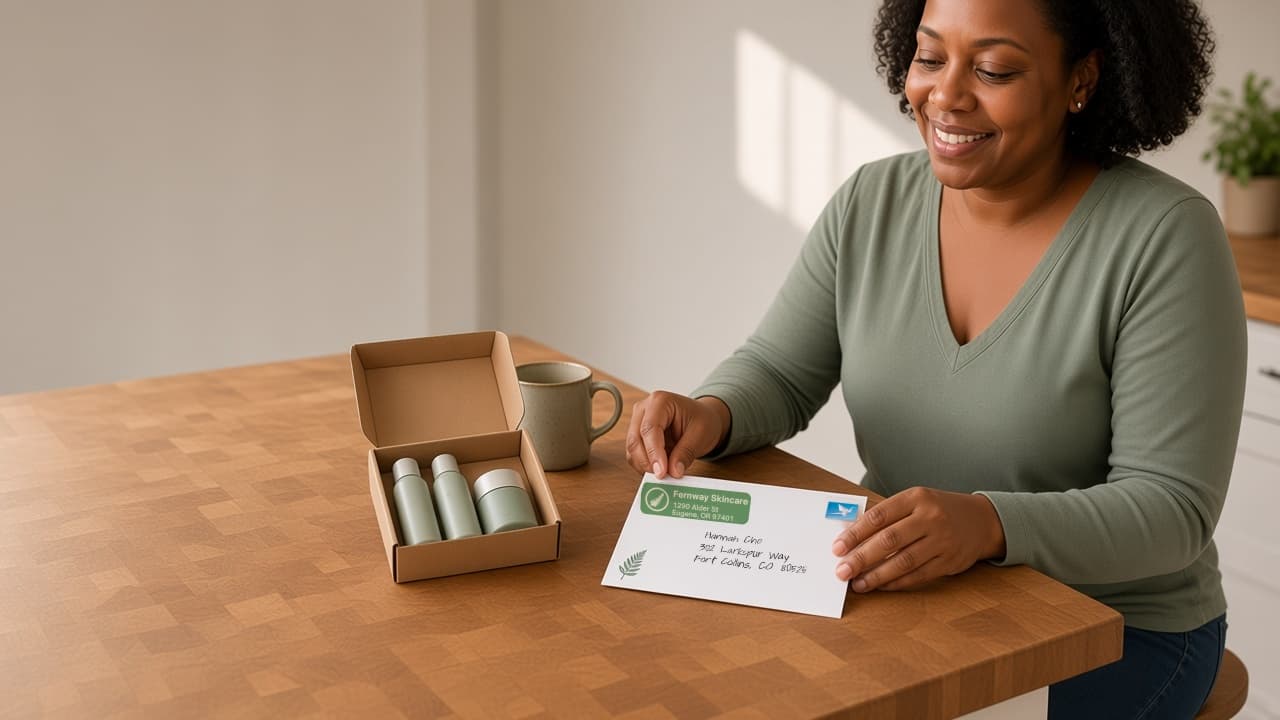
The quiet question after checkout
Every first order comes with a question the customer rarely says out loud: Did I choose well?
They found you, trusted a site they may never have used before, and handed over their money. Then come a standard confirmation email, shipping updates, and the box. For many brands, that is where the relationship goes quiet until the next promotional email or retargeting ad.
That silence is a missed opportunity. The period right after the first purchase is when a customer decides whether you were a one-time transaction or a merchant worth coming back to. What you send in that window can answer the quiet question with something they can hold: proof that their money went to the right merchant.
Why post-purchase is a loyalty moment, not just a logistics moment
Most post-purchase programs focus on operations: confirmations, tracking links, review requests. Those are necessary, but they mostly confirm that the transaction worked. They don't do much to confirm that the choice was a good one.
Loyalty starts with that second kind of confirmation. A customer who feels recognized after buying is more likely to remember who you are when they're ready to buy again. A customer who feels processed is more likely to drift back to search results and ads.
This is why the post-purchase stage and the second purchase are so closely linked. The first follow-up sets the tone. If it says "we noticed you," the next interaction starts warm. If it says "you're on our list now," the next interaction starts from zero.
What a branded mailing says that an email can't
A physical piece of mail, done well, carries signals that a digital message struggles to send:
- Someone took the time. A note written in real ink with a real pen reads differently from a template. It suggests a real brand behind the box, not just a storefront.
- The brand is consistent everywhere. When the card, and your envelope design and return label if you add them, all carry your branding, the mailing feels like a continuation of the purchase experience rather than a random flyer (more on why the envelope and return address are the brand).
- It arrived on purpose. A handwritten address and a real stamp signal that this piece was meant for one person, not dropped into a bulk mail stream.
Each of those details reinforces the same message: You picked a merchant that pays attention.
What a Tangible Post mailing includes
Tangible Post is not a postcard or a generic handwritten letter. It's a branded experience that lives outside the product, designed so customers feel their money went to the right merchant. Each piece is built from:
- A handwritten note, written in real ink with a real pen, with a custom-printed card on the other side
- A handwritten address
- A real stamp with real U.S. postage
- Your custom-printed envelope, if you add your design (otherwise it goes out in a plain white A7 envelope)
- A printed return address, when you add a return label
For a closer look at each piece, see what actually gets mailed in a branded package.
Messages can be personalized beyond a first name. Notes can use the customer's name, a unique coupon code and its expiration date, or a profile field you import from Klaviyo. You can also upload a CSV with names and mailing addresses. You see exactly what will print before you pay, and you can cancel a campaign for a refund while it is still processing, before it goes to print.
How to use it after the first order
A few practical ways to put a post-purchase mailing to work:
1. Thank first-time buyers. Keep the note short and sincere: thank them, name what they bought if you import that as a Klaviyo profile field, and say who you are. What to write in a handwritten thank-you note has examples. The goal is reassurance, not a sales pitch.
2. Time it to the experience. Many brands aim for the mailing to arrive around or shortly after the product does, while the purchase is still fresh. Consider your typical delivery times and production lead time when you set the trigger.
3. Give a reason for the second purchase, gently. A personal offer for a next order, a suggestion for a complementary product, or early access to something new can turn the thank-you into a natural next step. Keep the offer secondary so the piece still feels like recognition.
4. Segment with intent. Not every buyer needs the same note. First-time buyers, high-value first orders, and customers who bought a product with a natural repurchase cycle may each warrant a different message.
5. Measure honestly. Compare recipients against a similar group that didn't receive mail, and look at second-purchase behavior over a defined window. Results will depend on your offer, your list, your timing, and your market, so test before you scale. How to measure direct mail ROI for ecommerce walks through holdout groups and matchback.
Set the right expectations
A well-made mailing is a strong signal, not a guaranteed repeat order. Tangible Post's own promise is clear on this point: it covers the craft of the piece, meaning properly made, written with a real pen, correctly assembled, and mailed on time. It does not promise a response rate. That's the right way to think about post-purchase mail. It's a deliberate investment in how customers feel about their decision, and that feeling is what you then build on.
The window between the first and second order
The first order proves a customer was willing to try you. The second order is what tells you they believe they chose well. In between is a short window where a thoughtful, branded, handwritten piece can answer the question every new customer is quietly asking.
When you're ready to send your first one, set up your Tangible Post account and start with your newest customers.